


We truly couldn’t have asked for a better team to guide us through the complete transformation of our apartment in Chamonix. Never have we experienced a project of this scale feel so seamless, what an absolute pleasure it was to work with Justin and Estelle at Pangea.
From the outset, this was not a simple update, but a full overhaul, taking the apartment back to its bare shell and reimagining it entirely. Throughout what became a long and drawn-out process (for reasons entirely outside their control), Pangea were consistently professional, reliable, and incredibly supportive.
Managing a project like this remotely from Denmark could easily have been overwhelming, but they made the entire experience feel calm, organized, and completely under control.
Communication was seamless, which made a huge difference. They were always available, generous with their time, and genuinely committed to ensuring every detail was handled properly. Nothing ever felt like too much trouble, and we always felt understood and well looked after.
What truly stood out was their openness and enthusiasm for our ideas. We didn’t take a conventional approach, we wanted something creative and quite different, and they embraced that fully, helping us turn those ideas into reality without ever making things feel complicated or unrealistic.
We are no strangers to projects like this, so we understand what is “normal”, and therefore are very aware of just how much bother they absorbed on our behalf along the way. We are truly grateful for that.
The end result is something we absolutely love, but just as importantly, the journey to get there felt safe, supported, and genuinely enjoyable. If you’re considering a refurbishment, rebuild, or complete reimagining of a space, we can’t recommend them highly enough.
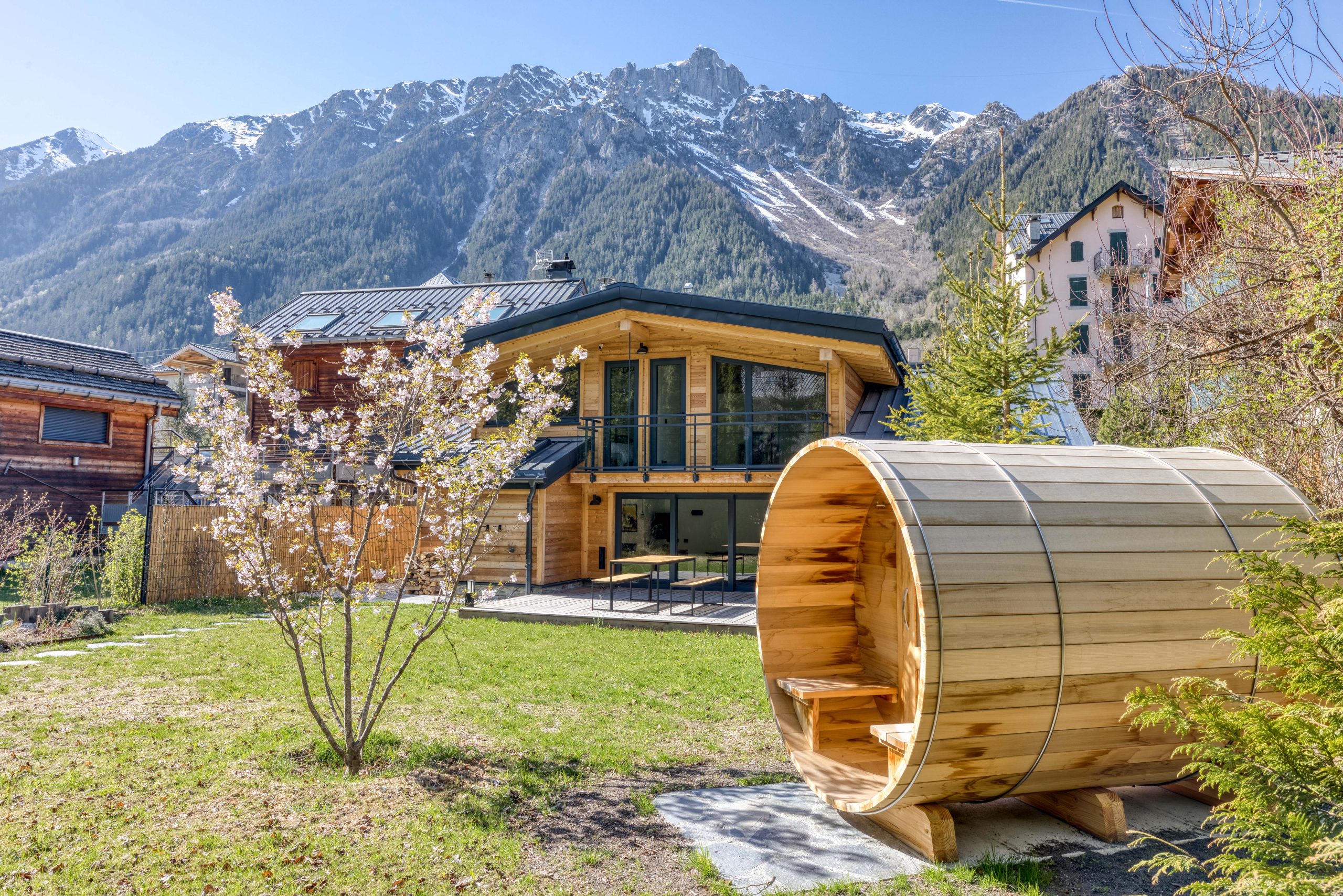
Just a little note to say thank you for all your help on our house renovation project. It’s been a challenging journey to say the least, but we feel very lucky to have had you overseeing and managing the project with us. We always felt that you had our back, were truly listening and ensured we could turn our dream into reality. We cannot thank you enough !
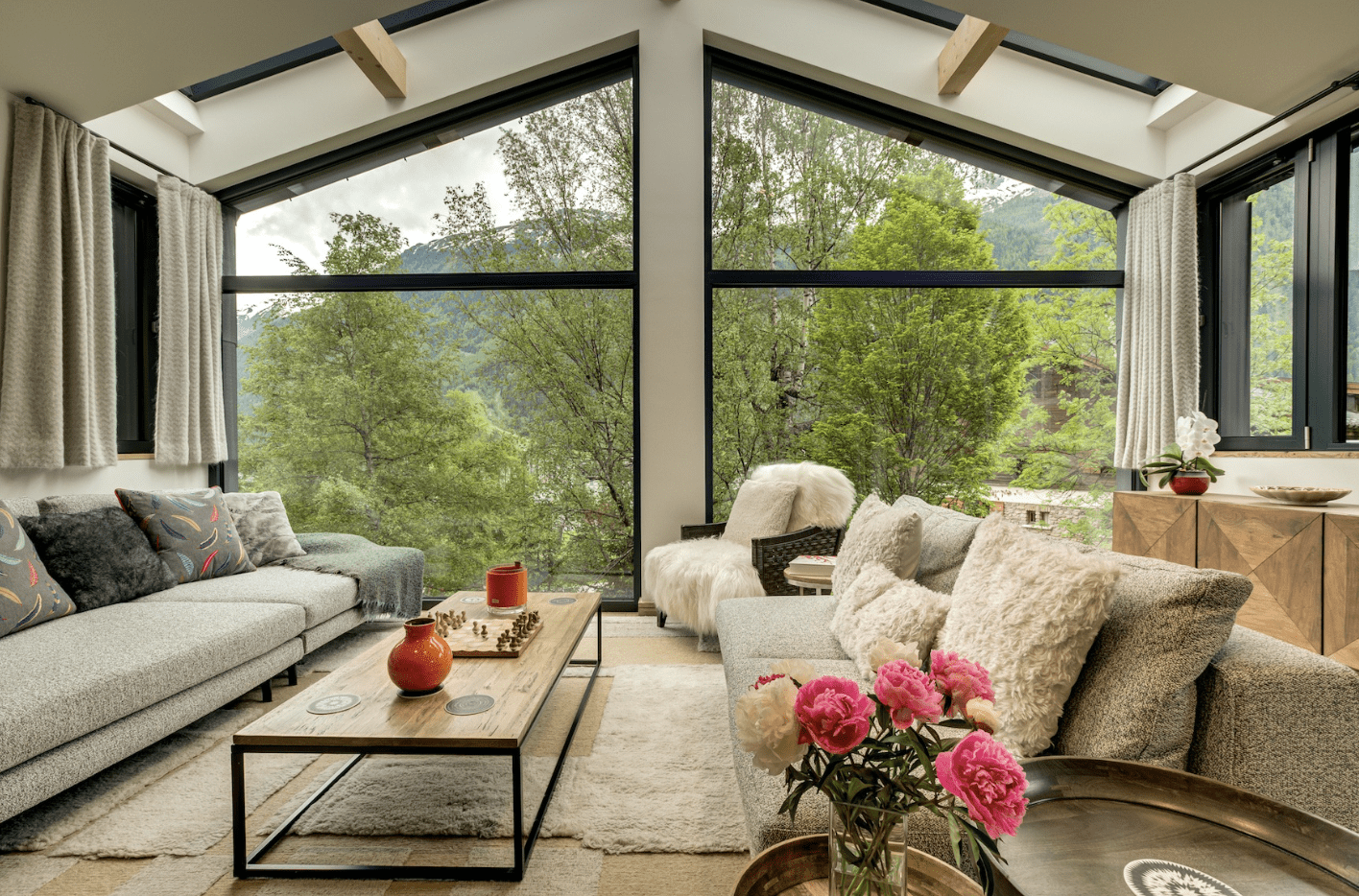
After buying a property in Chamonix in need of major renovation I was delighted to meet Justin and the Pangea team and felt completely confident in their ability to manage the renovation of our chalet. Justin is very detail focussed in terms of delivery and budget. He is also very knowledgeable about the local laws and key risks involved in a large renovation project and always worked diligently to manage these. Half way through the project we were confronted with the coronavirus pandemic. Pangea were careful to manage the ongoing site works within the rules of social and distancing whilst ensuring everyone remained safe. They totally took the stress out of a very stressful situation.
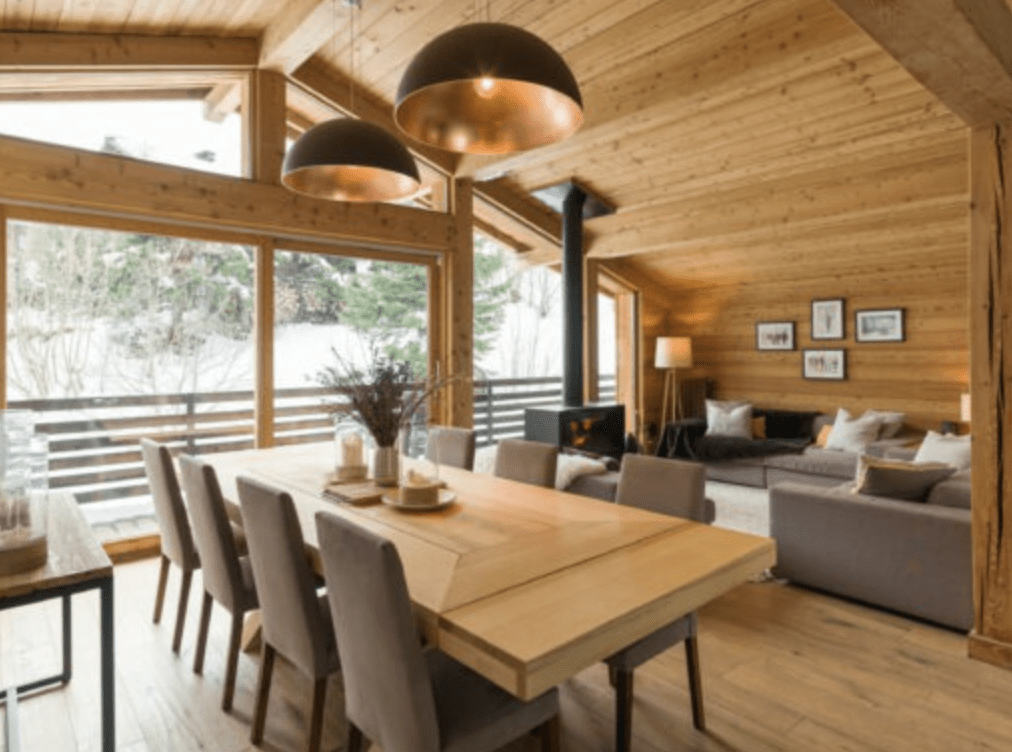
Pangea promised transparency, integrity and professionalism in the way they manage renovation, and they delivered emphatically on all three for the major chalet renovation and extension we embarked on a little over a year ago. Justin sets very high professional standards in every aspect of the work, all the way from the planning and budgeting stages through all aspects of the build and finish. Consistently disciplined and proactive, he manages the many challenges of such an operation in a way that gives total confidence to the client, preventing potential problems from becoming more than just bumps in the road, and remaining fervently focused on budget and timeframe. We are incredibly happy not only with what he has achieved for us, but also with the personal and professional approach taken by Pangea all the way through.
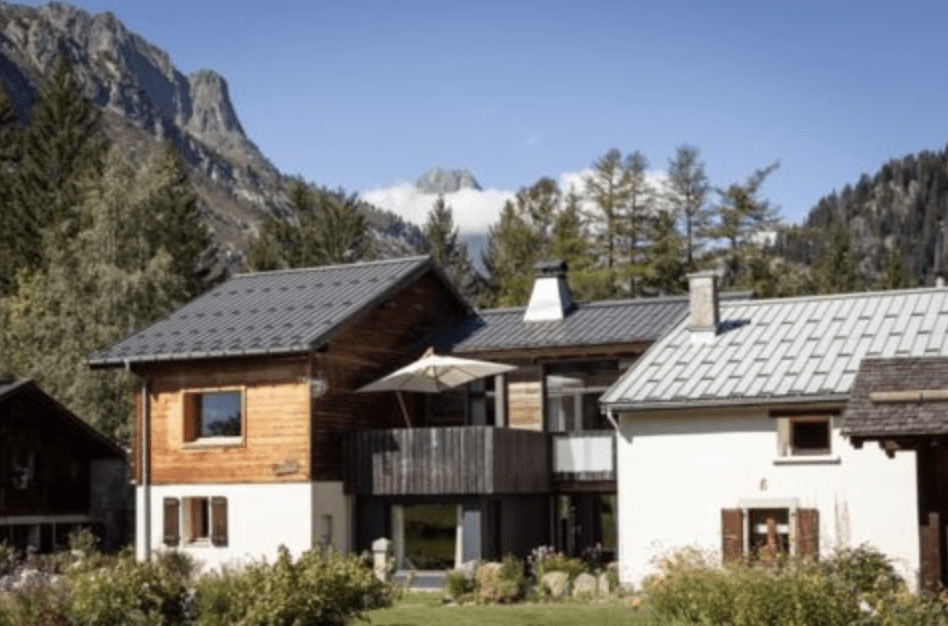
I returned last week to Manila but i wanted to first of express my gratitude for the amazing job you have done on the chalet. It is truly fantastic! A dream house! Everything was just so beautiful, comfortable and smart. A real stellar job guys!
My apartment in central Chamonix needed a full renovation. After getting quotes from a few builders, I chose Pangea because: the quality of workmanship in their previous jobs was the best (they took me to see a few of their properties); I could tell from our initial discussions about ventilation and drainage that they had a lot of experience; and finally, their quote was clear and very thorough. What a great decision this turned out to be! Pangea impressed at every stage of the project: they provided a detailed project plan at the start, during the design phase they gave invaluable advice about what had worked well on previous projects, and once the build was underway they gave regular updates with photos. All the way through, their attention-to-detail and can-do attitude stood out. When I finally came to view the finished apartment, it looked even better than in the photos, and every visitor I've had has remarked about the great finish. If I do another renovation in the future, Pangea will be my first choice - highly recommended!

We appointed Pangea to undertake the refurbishment of our Argentiere apartment and they didn't disappoint. We live in the UK so their "one-stop-shop" approach suited our requirement. They made the entire process a completely painless experience. Their project management and reporting kept us fully informed as the works progressed and the end-result provided a finish of exceptional quality. In addition, I would like to commend their property management team for their continued assistance resolving internet provider issues. This proved invaluable and would still be a problem to this day without their intervention!†I would have no hesitation in recommending Pangea to anybody looking to undertake refurbishment works of this nature remotely.
Justin and the Pangea team delivered a high quality renovation and refurbishment to our apartment. The project management was excellent, they took the stress out of delivering the significant project particularly for an owner living overseas. The initial briefing on estimated time and cost proved to be accurate, the regular updates were appreciated and the communication superb. The team were innovative and flexible when it came to our ideas and nothing was too much trouble. Justin held out high expectations several months ago but has comfortably exceeded them in every way. Pangea were professional and transparent throughout and a pleasure to deal with.