
Turning your Chamonix second home into a profitable investment
- Article
Most Chamonix second homes follow the same pattern: occupied for a few weeks in winter, perhaps a fortnight in summer, then empty for the remaining 40-odd weeks of the year. The views are exceptional. The asset is solid. But the property costs money every month whether anyone is sleeping there or not.
A growing number of overseas owners are changing that equation. By opening their property to short-term rentals during the weeks they don’t use it, they are covering their running costs, and in many cases, generating a meaningful net return on top.
This is not a complicated strategy. But it does require understanding how the Chamonix rental market works, what the realistic numbers look like, and where most owners go wrong.
Why Chamonix works as a year-round rental market
Chamonix is not a single-season resort. That distinction matters enormously for rental yield.
The demand calendar breaks down roughly as follows:
- December – April: peak ski season, highest nightly rates, occupancy rates of 80–95% for well-managed properties
- June – September: strong summer demand driven by trail running, hiking, climbing and cycling, the UTMB alone generates thousands of room-nights in late August
- May, October – November: quieter shoulder seasons, increasingly attractive to remote workers and longer-stay travellers
Owners who only market their property in winter are leaving 30 to 40 percent of potential income uncaptured. The Chamonix brand has genuine twelve-month appeal, and the international profile of its visitors, British, Swiss, American, Brazilian, Scandinavian, Middle Eastern, means demand does not depend on any single market.
What realistic rental income looks like
Income varies considerably depending on property size, location within the valley, quality of the interior, and how well the listing and pricing are managed. The following figures reflect what a well-presented, professionally managed property in Chamonix can realistically generate across a full year:
- Studio or one-bedroom apartment: €8,000 – €18,000 per year
- Two-bedroom apartment or small chalet: €18,000 – €35,000 per year
- Three to four-bedroom chalet, well located: €35,000 – €70,000+ per year
The gap between a well-managed and a poorly managed property is not marginal. Listing quality, dynamic pricing, and shoulder-season occupancy can account for €10,000 to €20,000 in annual revenue difference on the same property.
Against these figures, typical professional management fees in Chamonix run at 15 to 25 percent of net rental income (after platform commissions). For most owners, the income generated comfortably outweighs management costs while recovering a significant portion of annual property expenses.
The three things that determine whether it works
Rental performance in Chamonix comes down to three variables:
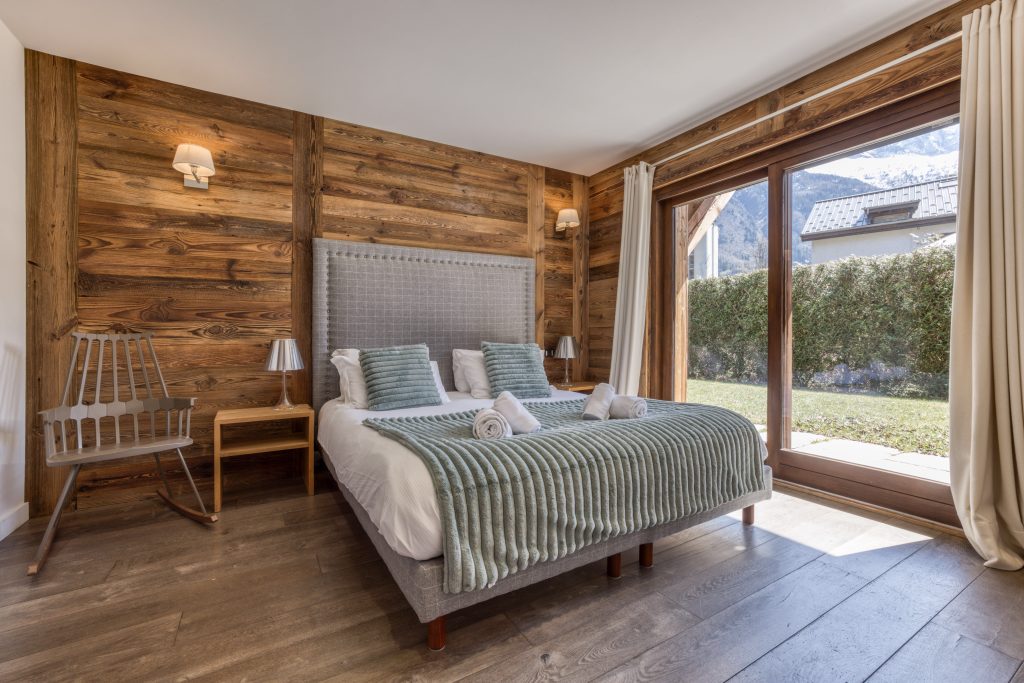
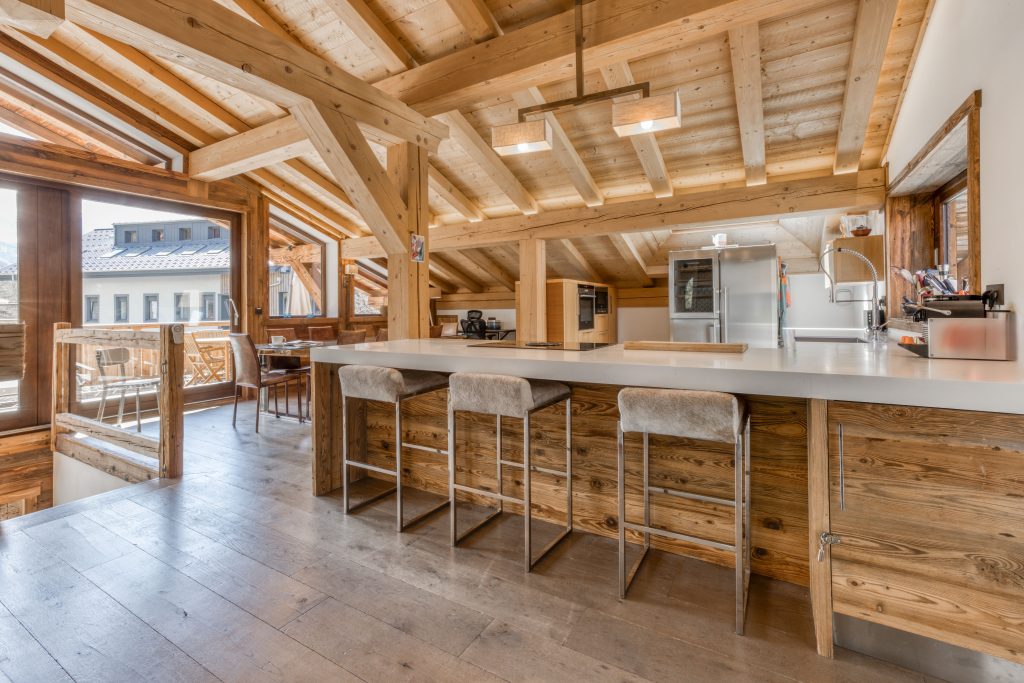
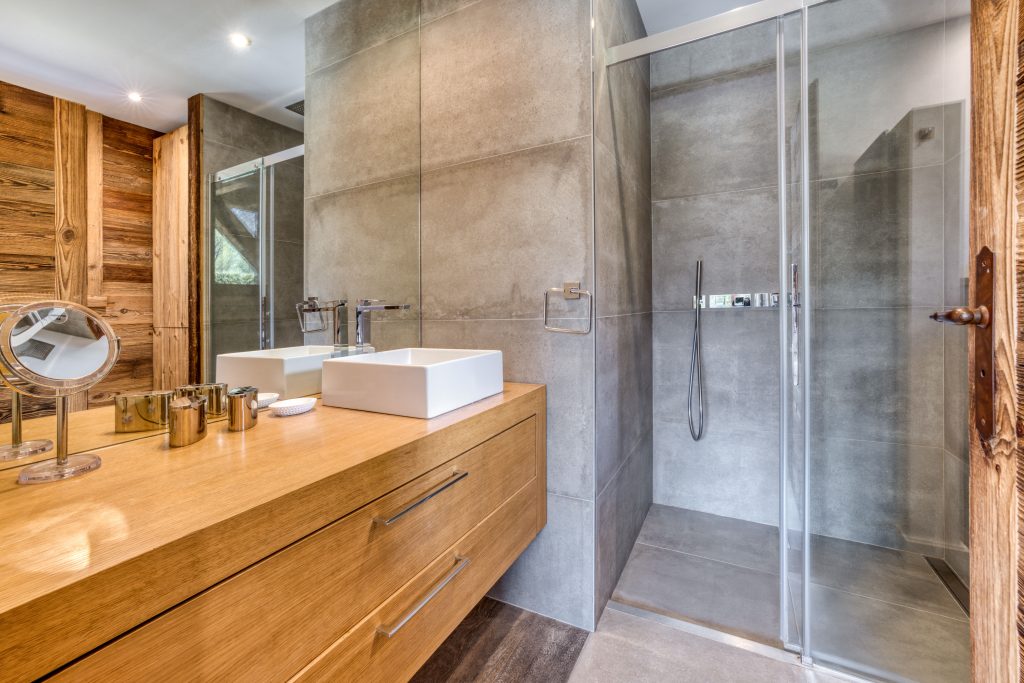
Property readiness. Guests in this market have high expectations. Professional photography, reliable heating, a fully equipped kitchen, fast WiFi, and quality linen are baseline requirements, not extras. A property that hasn’t been refreshed in several years will underperform in both occupancy and nightly rate and accumulate reviews that are difficult to recover from.
Pricing strategy. Static pricing, a fixed rate per night regardless of season, local events, or competitive supply, consistently underperforms. Dynamic pricing, adjusted in real time against demand signals, is now the standard for serious rental properties. Platforms like Airbnb provide tools, but they optimise for occupancy rather than revenue. Professional management adds a layer of active rate management that typically delivers better results.
On-the-ground management. This is where most self-managing overseas owners run into difficulty. Coordinating check-ins, cleaning, linen, maintenance, and guest communication from another country is manageable for a handful of weeks. At scale, across a full rental calendar, it becomes a part-time job. For owners with demanding professional schedules, the economics of professional management are straightforward: the cost is typically recovered through better occupancy, higher rates, and time that goes elsewhere.
You keep full control of your property
The question overseas owners ask most often is not about income. It is about control. Can I still use my property when I want to? What happens if something goes wrong while I’m away? Who is actually looking after it?
These are the right questions. A short-term rental arrangement should not mean surrendering access to your own home. Any serious management agreement allows owners to block dates for personal use at any time, without restriction. Your property remains yours, the rental fills the weeks you are not there.
On the maintenance side, a professionally managed property in an Alpine environment should receive regular inspections between stays, not just a clean. Chamonix winters are hard on buildings. Pipes, boilers, exterior fittings, and drainage all require seasonal attention. Catching a problem in October costs a fraction of what it costs when it becomes an emergency in January.
Thinking About Renting Out Your Chamonix Property?
Pangea Services has been managing properties for overseas owners in the Chamonix Valley since 2010. We are SNPI-certified, English-speaking, and based in the valley year-round. Our clients are typically busy professionals who want their Chamonix investment to work without it demanding their time.
If you are considering short-term rental, or would simply like an honest estimate of what your property could generate, we are happy to have that conversation.
We respond within 24 hours, in English.